Mining
Artisanal and Small Scale Mining Regulatory Recommendations as the Mines and Minerals Act is being Amended
September 25, 2026 / Chikomeni Manda
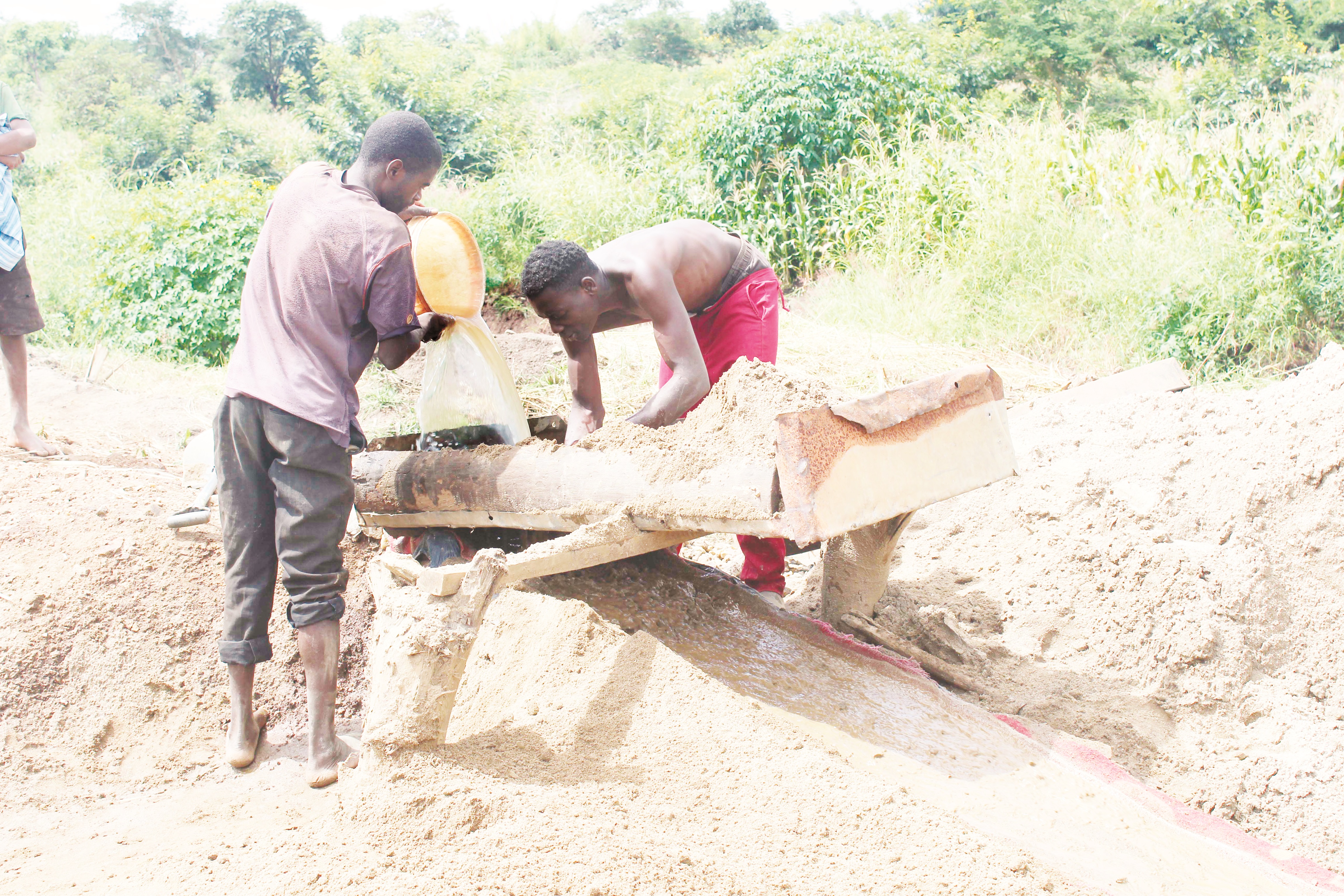
Over the past seven years, Malawi has experienced tremendous growth in informal artisanal and small-scale mining (ASM) activities across many districts. This growth has largely been driven by the emergence of gold mining, which has attracted many people who previously depended primarily on agriculture. However, significant gaps remain within the regulatory framework, and these need to be addressed urgently to establish a sustainable, responsible and well-regulated ASM sector.
As the Mines and Minerals Act is being amended, greater consideration should focus on the realities and evolving needs of the ASM sector, which have for too long been overlooked. Strengthening the framework would help the country to reap greater economic benefits from the sector. The following recommendations are proposed for consideration in the amendment of the Act.
1. Introduce additional ASM licences
The current ASM licensing provides only three types of licences, which deprives the majority of an opportunity to operate within the regulatory framework. It is necessary to introduce new licences that reflects the reality on the ground and the scale of activities within the sector. The licensing system should be decentralized, affordable and accessible to everyone by delegating the ASM licensing functions to district assemblies to ease formalization.
A. Small-Scale Mining Licence
A small scale mining licence should be continued and clearly define capital investment, production capacity, area size and mechanisation should be permitted. The licence should:
- Allow mechanisation and tunnelling to a specified maximum depth.
- Allow chemical processing subject to applicable environmental requirements and clearance.
- Provide an area of approximately six hectares to allow sufficient space for mining, tailings and waste management, tanks and future expansion.
- Be granted to Malawian citizens only, cooperatives and companies that are 100% Malawian-owned, subject to the applicable legal requirements.
- Have a licence duration of four years to provide greater security of tenure and encourage responsible investment.
B. Artisanal Mining Licence
An Artisanal Mining Licence should be designed for Malawian artisanal miners operating at a very smaller level and with limited capital and equipment. The licence should:
- Cover an area of approximately two hectares
- Be subject to a clearly defined capital threshold.
- Permit only limited mechanisation appropriate to artisanal operations.
- Establish a maximum depth of mining operations for safety and environmental management.
- Have a licence duration of two years
These licences would allow the regulatory framework to recognize the different levels of investment, production, mechanisation and operational capacity within ASM rather than applying a one-size-fits-all approach.
C. Trading Licences
Categories of mineral trading licences should also be established to strengthen the legal mineral supply chain.
i. Reserved Mineral Licence (RML)
The RML should only be issued to mineral exporters of which Malawians and non-citizens should be eligible to obtain it. RML holders should be permitted to purchase minerals from licensed miners and licensed brokers nationwide.
ii. Broker Licence
It should be issued to Malawian citizens only to purchase minerals, including gold and gemstones, directly from licensed miners and sell them to licensed brokers, RML holders, the Export Development Fund and other authorized traders within the country. Brokers should act as intermediaries between licensed miners and larger national mineral dealers but should not export minerals.
iii. Processing Licence
This licence should cover businesses and individuals involved in mineral processing without direct extraction, including gemstone cutting and polishing, jewellery manufacturing, mineral smelting, and processing of raw ore and mineral-bearing soils.
2. Create provisions for partnerships between ASM operators and foreign technology and capital providers
The amended Act should include clear legal provisions allowing holders of Small-Scale Mining Licences to enter into transparent partnerships with foreign technology and capital investors to enhance productivity. Such partnerships should protect locals from exploitation by foreign investors while providing access to the capital, technology.
3. Establish a clear pathway for mining licence upgrading and transfer
When an ASM operator wants to upgrade the licence scale, the miner should be able to upgrade the existing licence with ease without necessarily cancelling it and restarting the entire application process. Similarly, artisanal and small scale mining licence holders should be allowed to lawfully sell and transfer licence ownership, subject to regulatory approval and compliance with eligibility requirements.
5. Clearly define mineral value addition
The Act should provide a clear definition of the extent of value addition required for a mineral to qualify for export under a value-added classification. The term value addition is too broad and may create con- fusion for exporters hence pushing them to smuggling.
6. Review royalty rates to incentivise formal mineral exports
The royalty structure should be reviewed to make formalization attractive to ASM operators. The royalty for value-added minerals should be reduced to 3% with the aim of encouraging local mineral processing, while the royalty rate for rough minerals should be reduced to between 5% and 7%. Such adjustments could incentivize many ASM operators to sell and export legally rather than resorting to informal markets and smuggling.
Conclusion
The amendment of the Mines and Minerals Act offers a crucial opportunity for the country to develop a regulatory framework that reflects the true realities of the prevailing ASM sector. The amended Act should therefore put the ASM at the centre of the formalization to achieve responsible mining with regards to environmental sustainability and welfare of the mining communities.
Share this:
Leave a Comment
Comments
Mining & Trade Review News
Agribusiness News
Subscribe to Newsletter
Rehabilitation:
The establishment of a stable and self-sustaining ecosystem, but not necessarily the one that existed before mining began. In many cases, complete restoration may be impossible, but successful remediation, reclamation, and rehabilitation can result in the timely establishment of a functional ecosystem.
Archives
Remediation:
The cleanup of the contaminated area to safe levels by removing or isolating contaminants. At mine sites, remediation often consists of isolating contaminated material in pre-existing tailings storage facilities, capping tailings and waste rock stockpiles with clean topsoil, and collecting and treating any contaminated mine water if necessary.
Stakeholders Logos